

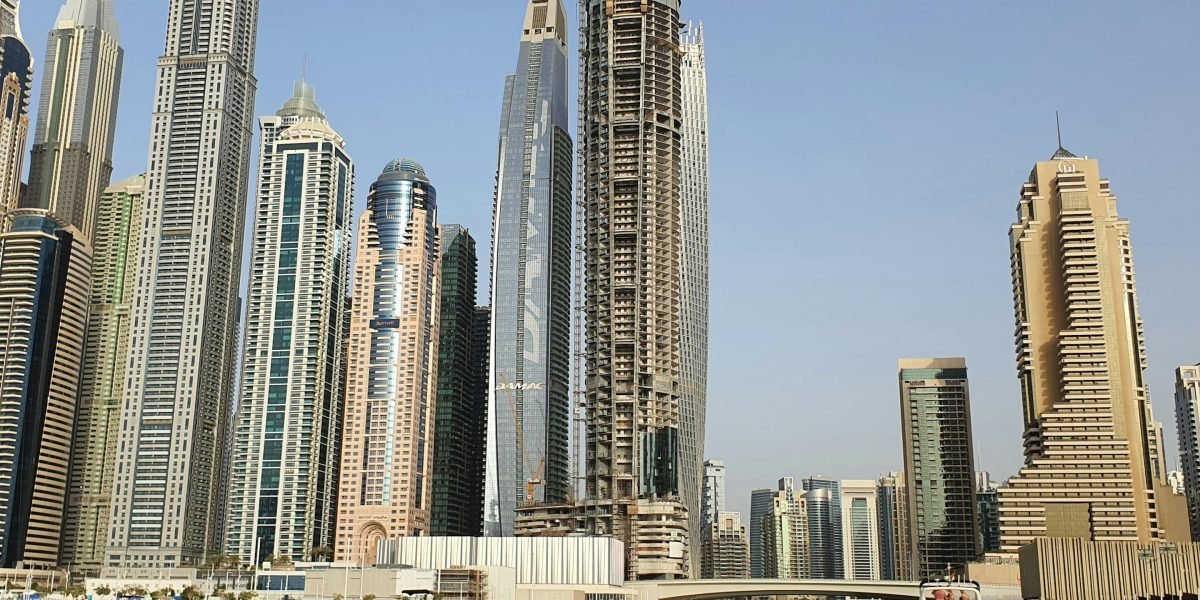
Introduction
Finding a place to call home in Dubai should feel exciting, not stressful.

But if you are looking for a property Dubai rent options in 2026, you already know the truth. The market is fast, competitive, and full of rules that are hard to understand if you are new to the city.
Here is the thing. Dubai apartment rents have climbed sharply over the last few years. According to DMCC, a one-bedroom apartment in the city center now costs around AED 8,700 per month. Engel & Völkers report that growth is slowing down a bit in 2026, but prime areas that are short on supply could still see prices go up. With numbers like that, you simply cannot afford to sign the wrong lease.
Yet many renters, especially expats and first-timers, jump in without knowing the local rules. That is where costly mistakes happen. You could end up with a contract full of hidden fees. You might pick a broker you cannot trust. Or you could lose your security deposit over something that makes no sense.
The good news? You do not have to figure it all out alone. This guide walks you through the entire rental process, step by step. We cover the legal side, the money side, and the practical side of finding the right property to rent in Dubai. You will learn what questions to ask, how to read a tenancy contract, and how to avoid the traps that trip up so many renters.
Whether you want a studio in Dubai Marina or a villa in the suburbs, knowing how to rent property Dubai the right way makes all the difference. If you want personalized help, Ayaz Salman offers a FREE Dubai real estate consultation to answer your questions and point you in the right direction. And if you are still deciding between brokers, our guide on how to choose a real estate brokerage in Dubai that you can trust can help you pick someone reliable from the start.
Let us get you into the right home without the headaches.
Understanding Dubai’s Rental Market Dynamics
The introduction showed you the big picture. Rents are high, and competition is fierce. But to really find the right property Dubai rent deal, you need to understand the forces behind the numbers.
Here is the thing about the Dubai rental market. It is not one big market. It is many small markets stitched together.
Supply and demand are shifting in 2026
Dubai’s population keeps growing. More people means more need for housing. According to Engel & Völkers, apartment rents went up a lot in recent years, but growth in 2026 is slowing down a bit. However, in popular areas with few available homes, prices are still climbing.
Tourism adds fuel to the fire. The estimated average occupancy rate for short-term rentals in Dubai ranges from 65% to 80% every year, as noted by Sands of Wealth. High visitor numbers take homes off the long-term market, which pushes up prices for residents.
Your budget shapes where you can look
Where you choose to live changes what you pay. A lot.
A one-bedroom apartment in the city center now costs around AED 8,700 per month, according to DMCC. Upgrade to a three-bedroom in the same zone, and you pay much more. Areas like Dubai Marina and Downtown are premium. Bur Dubai and International City are cheaper.
You have to match your budget to the area. That is why knowing the market helps you avoid waste.
Expats shape the rental calendar
Dubai is a city of expats. A 2026 expat survey from Crown World Mobility found that 65% of newcomers find adjusting to a new culture hard. This affects the rental market directly.
Most expats arrive and sign leases in September or October, right after the summer break. This creates a busy season with higher prices. If you can shift your search to the slower summer months, you might find better deals.
To make sense of these cycles, you need a broker who understands the local flow. That is why learning how to choose a real estate brokerage in Dubai that you can trust is a essential first step.
Are you trying to figure out where your money goes furthest in 2026? Connect with Ayaz Salman for a FREE Dubai real estate consultation to get personalized advice on areas and timing that fit your lifestyle.
Key Legal Framework: RERA and Tenancy Contracts
You know the market is tough. But here is something many renters miss when searching for property to rent in dubai. Your lease is only valid if it follows Dubai’s strict rules.
Many people sign contracts without understanding the legal side. That can lead to big problems.
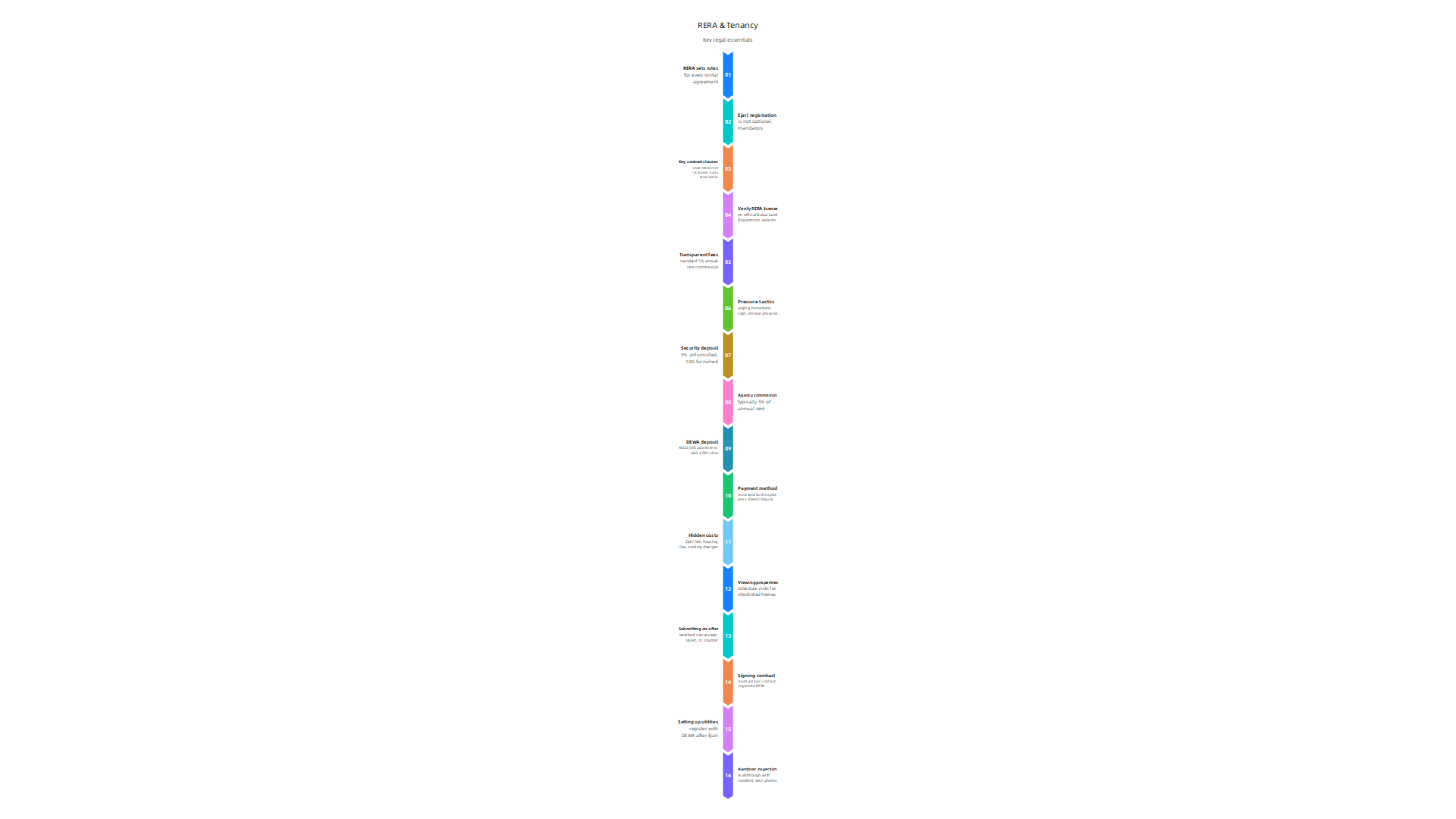
RERA sets the rules for every rental agreement
The Real Estate Regulatory Authority (RERA) is part of the Dubai Land Department. It creates standard tenancy contracts for all properties in Dubai. According to the official Dubai government guide, Ejari is an online program by RERA for recording all tenancy contracts. This means you cannot just write anything on a piece of paper. The contract must follow a standard format.
Ejari registration is not optional
Here is a big one. Every lease must be registered on the Ejari system. Without a registered Ejari certificate, your tenancy contract is not legally binding under Dubai law. That comes from a 2026 guide on RERA. This matters a lot. If your landlord tries to evict you or raise rent unfairly, a registered contract is your only protection. Engel & Völkers confirms that Ejari is mandatory and protects both tenants and landlords.
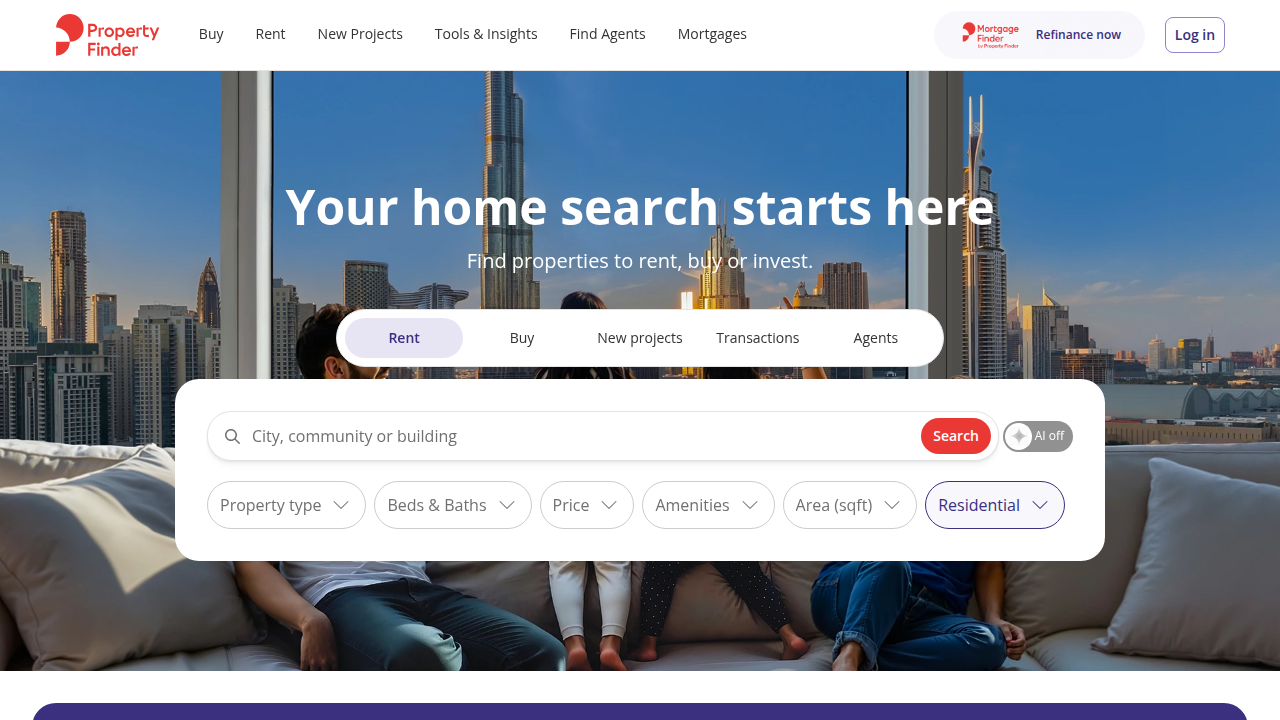
The registration process is simple. You need your passport, visa, Emirates ID, and the signed tenancy contract. Property Finder has a complete guide on how to register, renew, or cancel Ejari.
For most tenants, your real estate broker handles this step. But you should always ask for proof of registration.
Understand the key contract clauses
Your tenancy contract includes important clauses you must read carefully. These cover rent increases, early termination fees, and maintenance responsibilities. A new law in early 2026 brought changes to shared housing rules. The Economic Times reported that a written tenancy contract is now required and must be registered with Ejari in Dubai. This includes rules about eviction and landlord permits.
Rent increases are not random. RERA has a Rental Index that sets the maximum increase based on your area. Your landlord cannot charge you whatever they want.
Before you sign, take time to read every part of the contract. Ask your broker to explain anything you do not understand. If you are unsure about a clause, get professional advice.
To avoid common contract mistakes, check our guide on short-term rentals in Dubai 2026 and how to avoid broker traps. It covers many of the same pitfalls that apply to long-term leases.
Ready to find a property dubai rent that meets all legal standards? Connect with Ayaz Salman for a FREE Dubai real estate consultation to get help reviewing your contract and choosing the right area.
How to Vet and Choose a Reputable Broker
You now know the legal framework. But who will guide you through the process of finding a property to rent in dubai? The right broker makes all the difference. The wrong one can cost you time, money, and peace of mind.

Here is how to separate the good from the not so good.
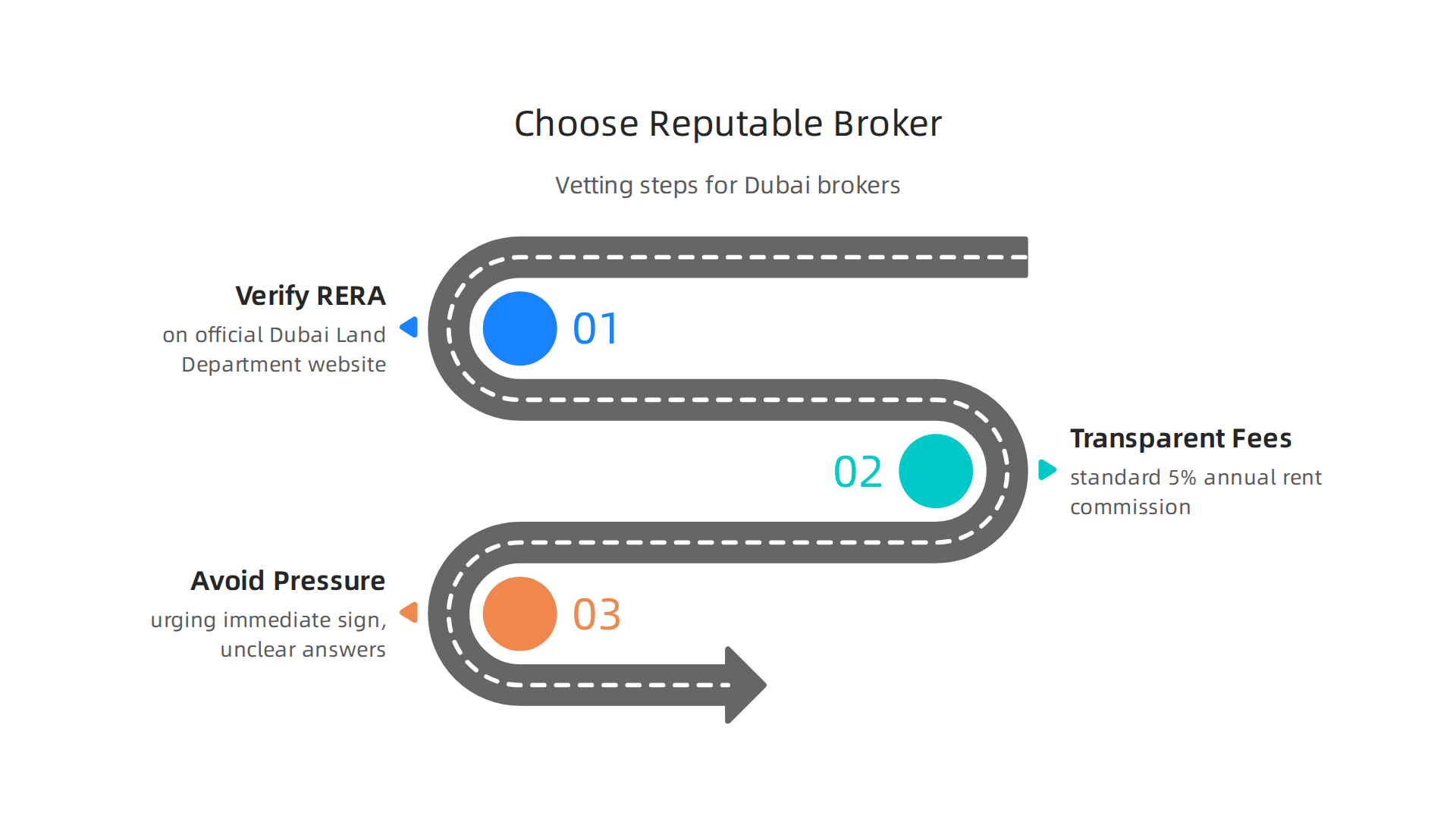
Step 1: Verify their RERA license
Every licensed broker in Dubai has a RERA registration number. Ask for it. Then check it on the official Dubai Land Department website or RERA’s broker lookup tool. A valid license means the broker is legally allowed to operate. It also means they follow the code of conduct. No license? Walk away. It is that simple.
You can also ask about their track record. How long have they been in the market? Do they specialize in the area you want? A broker who knows the neighborhood well will help you find property dubai rent options that actually match your needs.
Step 2: Look for transparent fees
A trustworthy broker will tell you exactly what they charge before you sign anything. In Dubai, the standard commission for rental transactions is typically 5% of the annual rent, or AED 5,000, whichever is higher. That is confirmed by a 2026 guide on real estate agent commission in Dubai. Engel & Völkers also states that for rentals, the agent commission is 5% of the annual rent.
If a broker is vague about fees, asks for cash, or tries to charge a random amount without explanation, that is a red flag. A good broker will put everything in writing, including the commission amount and what services it covers.
Step 3: Watch for pressure tactics
Here are common red flags to look out for:
- Urging you to sign the lease immediately
- Refusing to provide a written agreement
- Giving unclear answers about the property or contract
- Pushing you toward properties that do not match your criteria
A reputable broker respects your time. They give you space to think and ask questions. They also provide clear written documentation at every step.
Need more help finding a trustworthy professional? Read our complete guide on how to choose a real estate brokerage in Dubai that you can trust. It covers the exact questions to ask before you commit.
Ready to find a property to rent in dubai with a broker you can trust? Connect with Ayaz Salman for a FREE Dubai real estate consultation and get help vetting your options.
Budgeting for Your Rental: Costs, Deposits, and Fees
The monthly rent is just the beginning. When you find a property dubai rent that checks all your boxes, you also need to prepare for a handful of upfront payments. Knowing them in advance helps you plan your cash flow and avoid surprises.
Security deposit. This is the money you pay to protect the landlord against damages. For an unfurnished apartment, the standard security deposit in Dubai is 5% of the annual rent. For a furnished home, it goes up to 10%. So if you are renting an unfurnished place for AED 100,000 a year, you need to hand over AED 5,000 just as a deposit. According to a 2026 guide by Engel & Völkers, that is the standard. The good news is that the deposit is refundable when you move out. The tricky part is getting it back. Many tenants lose part of their deposit over minor wear and tear. The 2026 Property Finder guide offers solid tips on how to get your security deposit back, so read up before move out.
Agency commission. The broker who helped you find the property to rent dubai charges a fee. As mentioned earlier, this is typically 5% of the annual rent or AED 5,000, whichever is higher. The 2026 guide from What’s On Dubai lists agency fees among the extra costs you must budget for.
DEWA deposit and utility setup. Before you can turn on the lights, you need to register with the Dubai Electricity and Water Authority. DEWA charges a refundable deposit: about AED 2,000 for apartments and AED 4,000 for villas. You also pay a small connection fee of around AED 100. Factor this into your initial cash outlay.
Payment method matters. Most landlords in Dubai expect the annual rent to be paid in one to six post dated cheques. Some may accept fewer cheques or even monthly payments, but that often comes with a higher rent. Paying in fewer cheques means you need a larger lump sum upfront. Plan accordingly.
Hidden costs that add up. A few other fees catch first time renters off guard:
- Ejari registration fee (AED 200 to 500) to register your tenancy contract with RERA.
- Housing fee (also called municipality fee) which is 5% of your annual rent, added to your monthly DEWA bill.
- Cooling charges in some buildings, especially if you rent in a non centralised cooling area.
To be safe, set aside an extra 10% to 15% of your annual rent for all these upfront costs.
Still crunching numbers and want a second look? Connect with Ayaz Salman for a FREE Dubai real estate consultation and get personalised guidance on what to expect.
The Rental Process: From Search to Handover
You have your budget set and you know what fees to expect. Now let’s walk through the steps from finding a property dubai rent to actually getting the keys. Each stage has its own paperwork and timeline. Knowing what comes next keeps you in control.
Step 1: Viewing properties. Schedule visits for a few shortlisted apartments or villas. Look beyond the photos. Check the condition of the AC, plumbing, and walls. Ask about cooling charges and building maintenance. If you work with a broker, make sure they are registered with RERA. You can use our guide on how to choose a real estate brokerage in Dubai to vet them properly.
Step 2: Submitting an offer. Once you find a home you like, your broker submits a written offer to the landlord. This includes your proposed rent, payment plan, and move in date. The landlord can accept, reject, or counter. This stage usually takes one to three days.
Step 3: Signing the tenancy contract. When both parties agree, you sign a standard Ejari contract. This must be in writing and registered with RERA. According to the 2026 RERA guide, a contract without Ejari registration is not legally binding. You can sign the contract at the broker’s office or online via the Dubai REST app.
Step 4: Ejari registration. Ejari is the online system that records all tenancy contracts in Dubai. Registration is mandatory. As explained in the Engel & Völkers Ejari guide, it legalises your tenancy and protects both you and the landlord. You or your broker will submit the signed contract, your Emirates ID, passport copy, and visa. The fee is AED 200 to AED 500. Once registered, you receive an Ejari certificate. Without it, you cannot set up DEWA or register for Dewa utilities.
Step 5: Setting up utilities. With your Ejari certificate in hand, you register with DEWA. You pay the deposit (AED 2,000 for apartments, AED 4,000 for villas) and a small connection fee. DEWA then activates electricity and water within 24 hours.
Step 6: Handover inspection. Before moving in, do a walkthrough with the landlord or property manager. Take photos of every room, especially any existing damage. Fill out a condition report and keep a copy. This is your best protection when it is time to claim your security deposit back. The Property Finder guide to Ejari also suggests documenting everything to avoid disputes later.
Once the inspection is done and utilities are on, you are ready to move in. The whole process from offer to keys usually takes one to two weeks if all documents are ready.

Still have questions about any of these steps? Connect with Ayaz Salman for a FREE Dubai real estate consultation and get personalised guidance on your specific situation.
Rights and Responsibilities: Tenants and Landlords
By now you have walked through the whole rental process. But knowing the steps is only half the story. The other half is understanding what you are entitled to and what you must do. Renting a property dubai rent comes with clear rules for both sides. Let’s break them down.
What tenants can expect. As a tenant, you have the right to a home that is safe and livable. This means working AC, proper plumbing, and no serious repairs left undone. Your landlord cannot enter your property without giving you proper notice. Privacy is your right under Dubai law. You also have the right to a written contract registered through Ejari. Without that registration, your tenancy is not legally binding according to the 2026 RERA guide.
What landlords must do. Landlords have to follow strict rules when they want to increase rent. They must use the RERA rent increase calculator. No guesswork allowed. They also need to give you 90 days notice before any rent hike. And they cannot just evict you without a valid reason. The 2026 shared housing rental law also makes it clear that written contracts are mandatory. This helps prevent misunderstandings.
Where disputes get resolved. If you and your landlord cannot agree, you take the issue to the Rental Dispute Settlement Centre (RDSC). This is Dubai’s official body for rental conflicts. They handle everything from late rent payments to deposit disputes. The process is straightforward and you do not always need a lawyer. Having your Ejari certificate and signed contract ready speeds things up.
Here is the thing. These rules protect you, but only if you know them. Many tenants lose money simply because they did not understand their rights. Taking time to learn these basics saves you from headaches later.
Disputes can get stressful, especially when you are new to Dubai. Professional guidance helps you avoid mistakes. Connect with Ayaz Salman for a FREE Dubai real estate consultation and get clear answers for your specific situation.
Renewals, Moves, and Dispute Resolution
Now that you know your rights and responsibilities, let’s talk about what happens when your contract ends or when things go wrong. Whether you are looking for a property to rent in Dubai for the first time or you have been renting for years, these next steps matter.
Renewing your tenancy
When your contract is up for renewal, your landlord cannot simply raise the rent by any amount. The increase must follow the RERA rental index. In 2026, rent growth is moderating, which works in your favor. Landlords must give you 90 days notice before any increase. If you agree, you sign a new contract and register it through Ejari. If the increase seems too high, you can check the index yourself and negotiate.
Planning to move out
If you decide to leave at the end of your contract, you need to give written notice as stated in your agreement. This is usually 30 to 90 days. Missing the notice period can cost you your security deposit. A good habit is to take dated photos when you move in and again when you move out. This makes it easier to get your full deposit back. For a complete breakdown, read this guide on how to get your security deposit back in Dubai.
When disputes happen
Even with clear rules, disagreements can happen when you rent property Dubai. Maybe your landlord keeps your deposit without reason. Maybe they try to raise the rent beyond the allowed cap. In that case, you file a case with the Rental Dispute Settlement Centre (RDSC). The process is quick, but you need your documentation ready. Bring your Ejari certificate, signed contract, and any emails or messages. Having everything in order speeds things up.
If you are looking to move to a new place, finding a trustworthy broker makes a big difference. Check out our guide on how to choose a real estate brokerage in Dubai that you can trust for practical tips.
Disputes and moves can feel overwhelming. Professional advice helps you avoid costly mistakes. Connect with Ayaz Salman for a FREE Dubai real estate consultation and get clear answers tailored to your situation.
Summary
This guide explains how to rent property in Dubai in 2026 without unnecessary risk or cost. It covers current market dynamics, how neighbourhoods and expat cycles affect prices, and why understanding RERA and mandatory Ejari registration protects you. The article walks you through choosing and vetting a broker, the typical upfront costs (security deposit, agency fees, DEWA), and the standard rental steps from viewings to handover. It also breaks down key tenancy clauses, rent increase rules, notice periods, and how to document the property to safeguard your deposit. By reading it you will know what documents you need, how to spot broker red flags, how to budget for move-in, and where to take disputes if they arise. The goal is to help you find a legal, well-priced home in Dubai with confidence.