

Why this guide matters for renters and investors in Dubai
Dubai is a truly exciting place, known for its amazing buildings and many chances for new beginnings.

Lots of people want to live and work here, or invest in its growing market. This means there’s always interest in how to rent property in Dubai. But finding the right home or investment property can sometimes feel tricky.
Many people face similar problems when they want to rent a property in Dubai. For example, it can be hard to know if you’re getting a fair deal. You might worry about hidden fees or not understanding what real estate brokers actually do. Choosing a trustworthy broker is a big step, and it’s not always clear how to pick the best one.
Then there are the contracts and local rules. If you’re new to Dubai, these can seem very different from what you’re used to. Expat tenants often struggle to understand all the legal words, and investors want to make sure their money is safe. Sometimes, local processes for renting a property are just unfamiliar, making everything take longer than it should.
This guide is made to help you with all these challenges in 2026. We promise to give you a clear, easy-to-follow plan for renting in Dubai. You’ll learn how to find great properties, pick good brokers, and understand your rental agreements. This will help you reduce risks and make smart choices faster, whether you want to rent dubai property for your family, or you are an investor looking for good returns.
We will walk you through each step of the rental journey. You’ll discover how to best secure a property for rent in Dubai by reading our tips on The Smart Way to Secure a Property Dubai Rent in 2026.
We’ll also help you understand important documents like the tenancy contract. Knowing the important things about Dubai Rental Laws 2026 Every Tenant Must Know Before Signing a Lease can save you from big headaches later. This guide is for everyone: expats, investors, landlords, and even current tenants who want to know more about the market.
If you still have questions or need direct help, you can get a FREE Dubai Real Estate Consultation.
1. Snapshot: The Dubai rental market in 2026 (what renters should know)
Before we dive deeper into the how-to, let’s take a quick look at what the rental market in Dubai is like right now in 2026.

It’s a very active and growing place to live, attracting people from all over the world. This means many people want to rent property in Dubai, keeping the market busy. Experts say the general outlook for global real estate, including Dubai, is quite positive this year, with good economic growth helping things along Global Real Estate Outlook.
There’s a constant flow of new homes being built, from tall apartment buildings to big family villas. But with so many people moving here, the demand for places to rent a property Dubai remains strong. This balance of new homes and many renters makes it an interesting market.
You’ll find different kinds of homes for different needs:
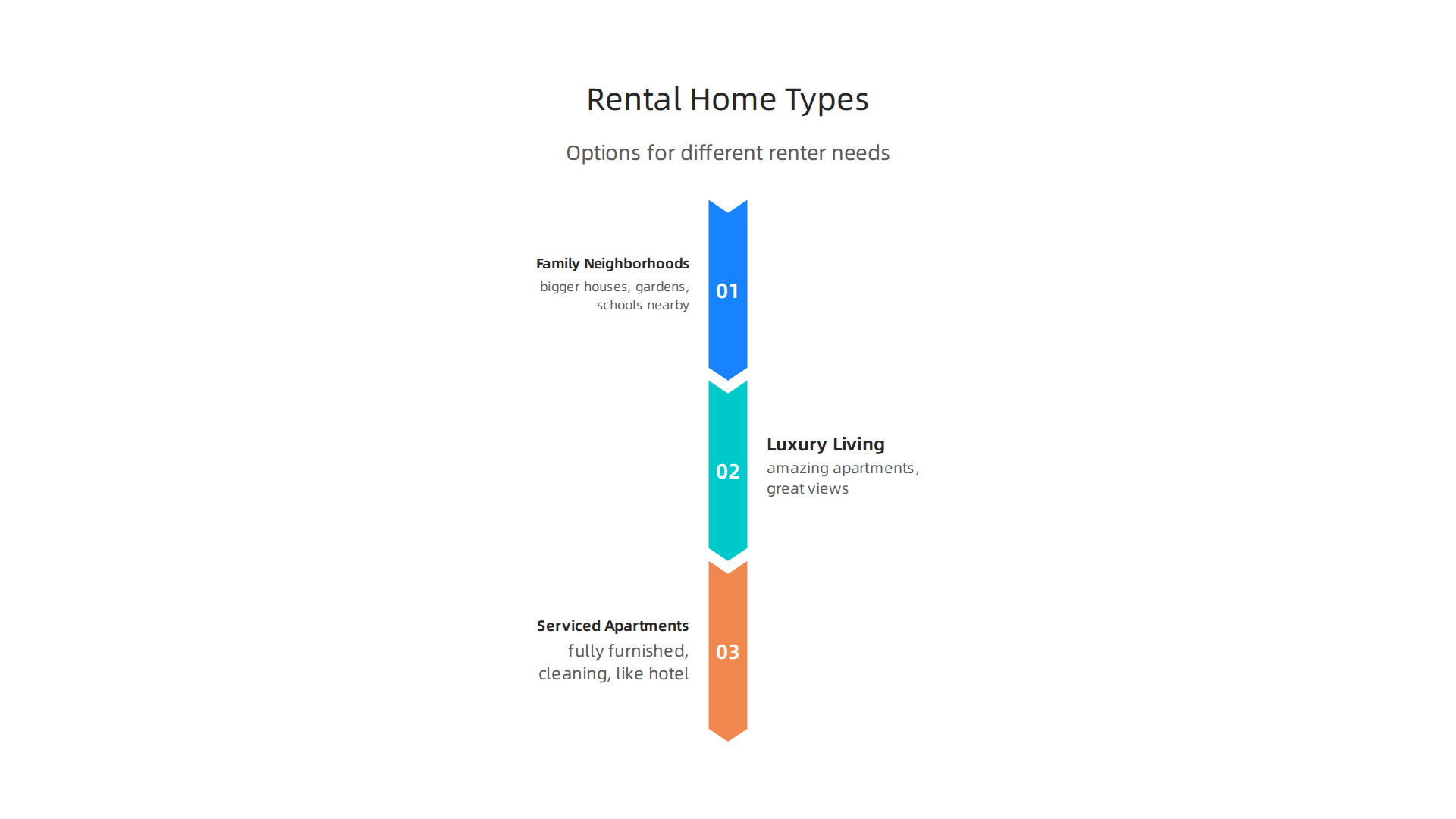
- Family-Friendly Neighborhoods: Many areas are perfect for families, offering bigger houses or townhouses with gardens and schools nearby. These are popular for those planning a long-term stay.
- Luxury Living: If you’re looking for something fancy, places like Jumeirah Beach Residence (JBR) offer amazing apartments. You might find listings for special places such as "dubai properties 1 jbr," which are known for their great views and upscale feel.
- Serviced Apartments: These are fully furnished apartments, often with services like cleaning, much like a hotel. They’re great for people who need a place for a short time or are new to the city and still exploring. The demand for short-term rentals in Dubai is quite high, with many properties often booked 65% to 80% of the year Dubai Real Estate Market Analysis (2026). If you’re interested in these, check out our guide on Short Term Rentals Dubai 2026.
The rental market also has its own rhythms. Sometimes, prices for a property for rent in Dubai can change with the seasons. For example, it might get busier when schools start in the fall, or during the cooler months when more people visit. Local rules from the government also play a big part in how leases work and how much rent can increase. These rules are there to help make things fair for both tenants and landlords. Investors looking to understand the financial side of renting out property should look into our Dubai Rental Yields 2026 Investor Guide to Top Areas and Calculations.
Knowing these things helps you understand the bigger picture when you want to rent Dubai property, making your search much easier.
Now that you know a bit about the market, let’s look at how you actually find a place to rent property in Dubai and make sure you’re working with trustworthy people. This step-by-step guide will help you search for a home and pick the right helper.
Finding Property Listings
Most people start their search for a property for rent in Dubai online. There are many websites that list apartments and villas. When you look at listings, pay close attention to the details:
- Pictures: Do the photos look real and clear? Are there many photos, showing different rooms?
- Location: Does the property fit your needs for work or school? For example, if you’re looking for luxury, you might search for "dubai properties 1 jbr."
- Price: Is the rent reasonable for the area and type of home? Compare a few similar places to get an idea.
- Details: Read all the information. How many bedrooms? What facilities are included? Does it come furnished or unfurnished?
Vetting Real Estate Brokers
When you want to rent a property Dubai, you will often work with a real estate broker. A good broker helps you find the right home, understands the local rules, and guides you through paperwork. But it’s very important to make sure your broker is real and licensed.
Here’s how to check:
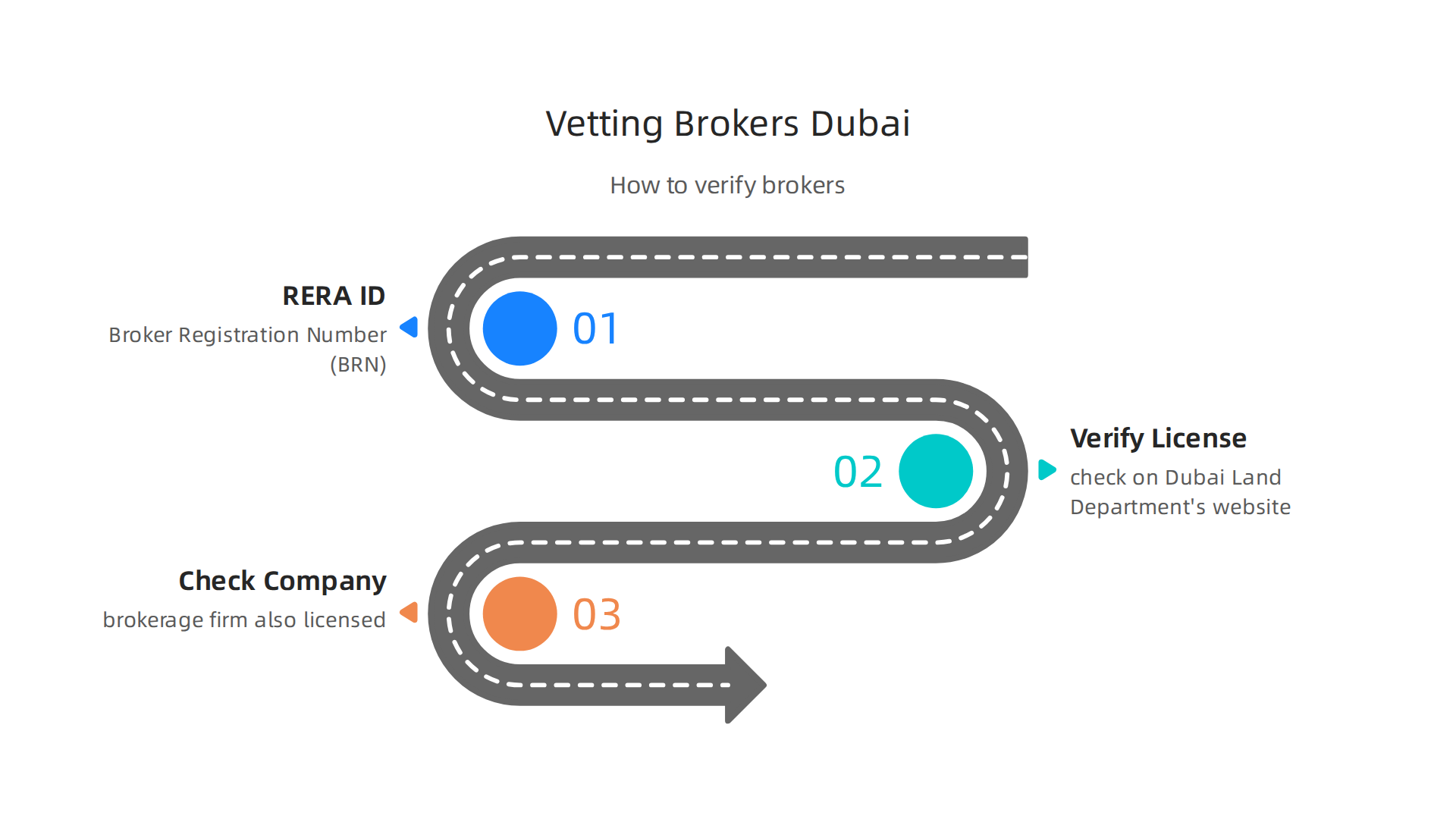
- Ask for their RERA ID: In Dubai, all real estate brokers must be registered with the Real Estate Regulatory Agency (RERA). They should have a special Broker Registration Number (BRN).
- Verify their license: You can check a broker’s license on the Dubai Land Department’s (DLD) website.
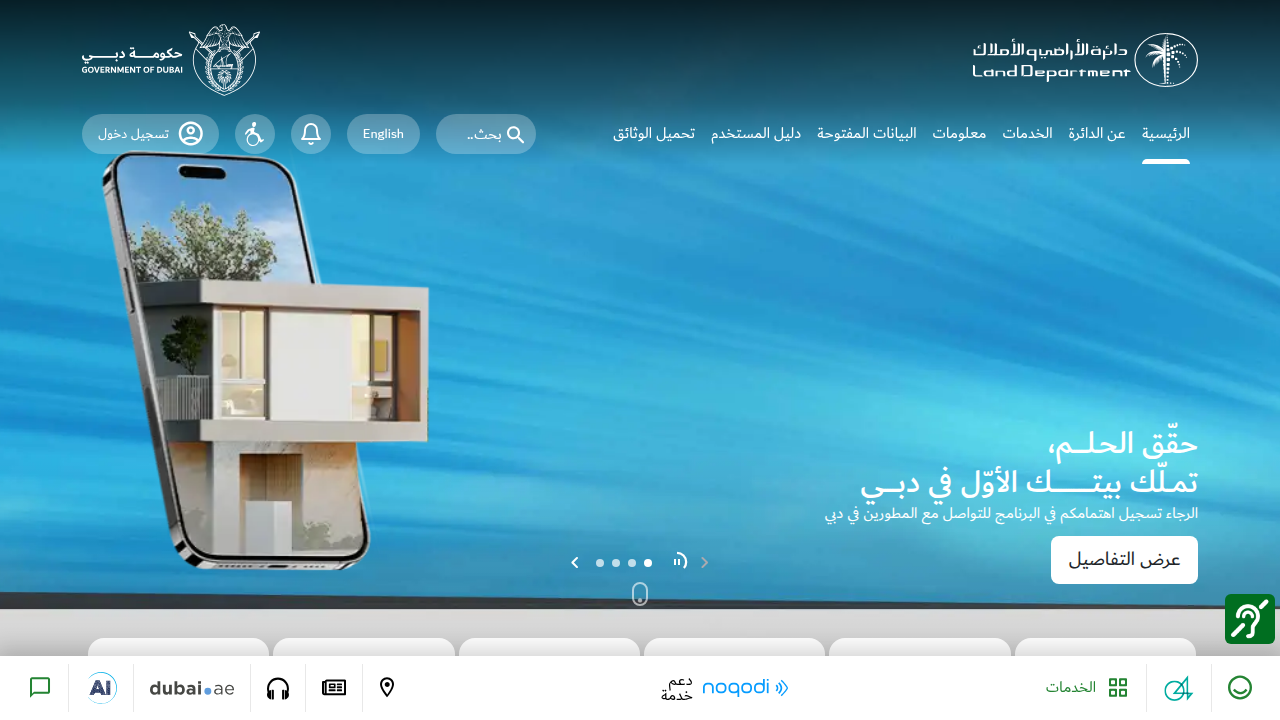
They have an online service where you can view a list of Licensed Real Estate Brokers and verify if the person you’re talking to is officially recognized How to Verify the Credibility of a Real Estate Brokers in Dubai. This helps you avoid scams.
3. Check their company: Make sure the brokerage firm they work for is also licensed.
Questions to Ask Your Broker
Once you know a broker is legitimate, ask them these questions:
- What are their fees? Be clear about how much you will pay them for their help. You can learn more about this by reading our guide on Real Estate Agent Commission in Dubai How Much Buyers Sellers and Tenants Pay.
- Can they show you different options that fit your needs and budget?
- Will they help you understand the lease agreement?
- What documents do you need to provide to rent a property in Dubai? Usually, this includes your passport copy, visa, and Emirates ID.
Avoiding Common Scams
Be careful of red flags. Never pay money to a broker before seeing the property or without a proper agreement. Do not feel rushed into making a decision. Always get receipts for any money you pay. To ensure you pick the best help, you can also explore How to Choose a Real Estate Brokerage in Dubai That You Can Trust.
Finding a place to rent in Dubai can be smooth if you follow these steps and stay cautious.
If you’re looking for expert guidance or have more questions about navigating the Dubai real estate market, consider reaching out.
FREE Dubai Real Estate ConsultationNow that you know a bit about the market, let’s look at how you actually find a place to rent property in Dubai and make sure you’re working with trustworthy people. This step-by-step guide will help you search for a home and pick the right helper.
Finding Property Listings
Most people start their search for a property for rent in Dubai online. There are many websites that list apartments and villas. When you look at listings, pay close attention to the details:
- Pictures: Do the photos look real and clear? Are there many photos, showing different rooms?
- Location: Does the property fit your needs for work or school? For example, if you’re looking for luxury, you might search for "dubai properties 1 jbr."
- Price: Is the rent reasonable for the area and type of home? Compare a few similar places to get an idea.
- Details: Read all the information. How many bedrooms? What facilities are included? Does it come furnished or unfurnished?
Vetting Real Estate Brokers
When you want to rent a property Dubai, you will often work with a real estate broker. A good broker helps you find the right home, understands the local rules, and guides you through paperwork. But it’s very important to make sure your broker is real and licensed.
Here’s how to check:
- Ask for their RERA ID: In Dubai, all real estate brokers must be registered with the Real Estate Regulatory Agency (RERA). They should have a special Broker Registration Number (BRN).
- Verify their license: You can check a broker’s license on the Dubai Land Department’s (DLD) website. They have an online service where you can view a list of Licensed Real Estate Brokers and verify if the person you’re talking to is officially recognized How to Verify the Credibility of a Real Estate Brokers in Dubai. This helps you avoid scams.
- Check their company: Make sure the brokerage firm they work for is also licensed.
Questions to Ask Your Broker
Once you know a broker is legitimate, ask them these questions:
- What are their fees? Be clear about how much you will pay them for their help. You can learn more about this by reading our guide on Real Estate Agent Commission in Dubai How Much Buyers Sellers and Tenants Pay.
- Can they show you different options that fit your needs and budget?
- Will they help you understand the lease agreement?
- What documents do you need to provide to rent a property in Dubai? Usually, this includes your passport copy, visa, and Emirates ID.
Avoiding Common Scams
Be careful of red flags. Never pay money to a broker before seeing the property or without a proper agreement. Do not feel rushed into making a decision. Always get receipts for any money you pay. To ensure you pick the best help, you can also explore How to Choose a Real Estate Brokerage in Dubai That You Can Trust.
Finding a place to rent in Dubai can be smooth if you follow these steps and stay cautious.
If you’re looking for expert guidance or have more questions about navigating the Dubai real estate market, consider reaching out.
FREE Dubai Real Estate Consultation
After you have chosen a trusted broker and found a home you like, the next very important step is to understand the legal papers.
This means looking closely at tenancy contracts, how much you need to pay for deposits, and the payment schedule when you want to rent property in Dubai. Knowing these things will help you avoid problems later on.
Key Parts of Your Tenancy Contract
The tenancy contract is a legal paper between you (the tenant) and the landlord. It sets out all the rules for your rental. You should always read it carefully before you sign. Here are the main things to check in your contract:
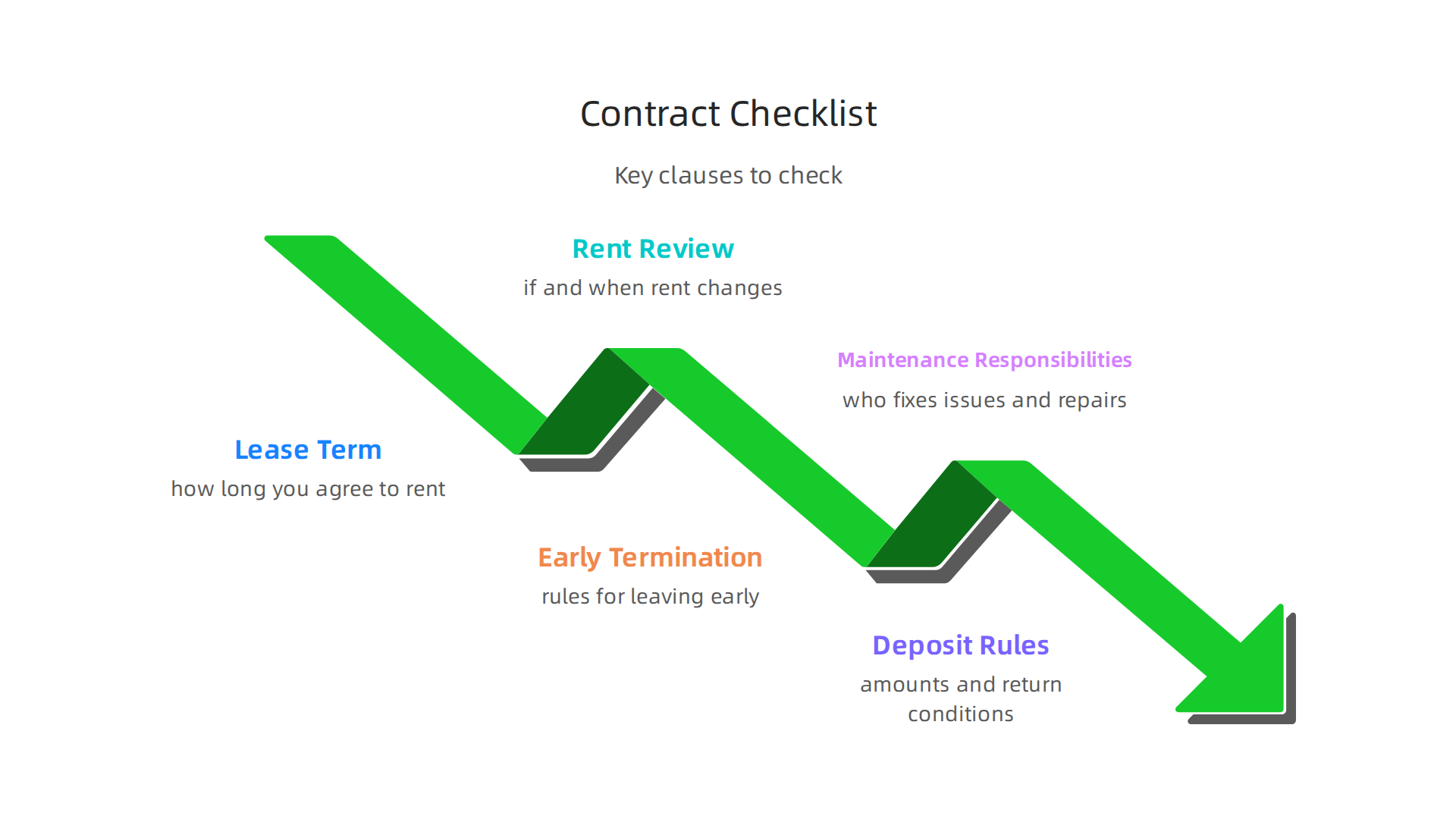
- Lease Term: This is how long you agree to rent a property Dubai. It’s usually one year, but can be different. Make sure the dates are correct.
- Rent Review: This part explains if and when your landlord can change the rent. Dubai has rules about how much rent can increase each year, so it’s good to know these.
- Early Termination: What happens if you need to move out before the lease term ends? There might be a penalty, so understand this clause clearly.
- Maintenance Responsibilities: The contract will say who is responsible for fixing things if they break. Does the landlord fix everything, or do you have to pay for small repairs? This is important for smooth living.
- Deposit Rules: How much is the security deposit? When will you get it back, and what can the landlord keep money for? These rules should be clearly stated. For a full guide on what to expect, check out A comprehensive guide on Dubai tenancy contracts.
Payment Methods and Security Deposits
When you rent a property in Dubai, payments are usually made with post-dated cheques. This means you give the landlord several cheques for future dates. The number of cheques (e.g., 1, 2, 4, or 12) depends on what you agree with the landlord.
You will also pay a security deposit. This is money the landlord holds in case you damage the property or break the lease rules. Once you move out and the property is in good condition, you should get this money back. Make sure the contract explains how and when the deposit will be returned.
The Role of Ejari
In Dubai, every residential or commercial rental agreement must be registered with something called Ejari. Ejari is an online system that makes your tenancy contract official and legal in the eyes of the government. Without Ejari, your contract is not valid, and you cannot easily sort out problems or disputes with your landlord.
Think of Ejari as your legal proof that you are renting the property. It is very important to make sure your contract is registered. You can learn more about how to register your tenancy contract with Ejari for 2026 by reading How to Register, Renew, or Cancel Ejari in Dubai: 2026 Step-by ….
This step is for all types of Dubai properties, whether you are looking at luxury options like "dubai properties 1 jbr" or a smaller apartment.
Ejari is important because it makes your rental contract official and helps keep things fair between you and your landlord. In Dubai, a special set of rules called the Dubai Rental Laws and Tenancy Law or RERA (Real Estate Regulatory Agency) laws protect both tenants and landlords. Knowing these rules is super helpful, whether you plan to rent property in Dubai for your home or for your business.
What Tenants Can Expect
As a tenant, you have important rights. These include:
- Right to Quiet Enjoyment: This means your landlord cannot bother you without a good reason or proper notice. You should be able to live in peace.
- Protection Against Unfair Eviction: Landlords cannot just ask you to leave whenever they want. There are specific, legal reasons they can evict you, and they must give you enough notice.
- Rent Increase Limits: RERA sets limits on how much your rent can go up each year. Your landlord cannot increase it more than these rules allow.
- Property Maintenance: For bigger repairs that are not your fault, the landlord is usually responsible. Your contract should clearly state who fixes what.
What Landlords Can Expect
Landlords also have rights and expectations:
- Right to Receive Rent: You must pay your rent on time, as agreed in your contract.
- Property Upkeep: You should take good care of the property you are renting. This means keeping it clean and not causing damage.
- Following Building Rules: If you rent a property Dubai in a community, like "dubai properties 1 jbr," you must follow the rules of that building or community. These rules cover things like parking, using shared spaces, and noise levels.
Eviction and Solving Problems
If problems come up, it’s good to know how they are handled. A landlord can only ask you to leave for reasons listed in the law. These might include if you do not pay rent, cause damage, or break other main rules in your contract. The landlord must give you a formal written notice, usually 12 months in advance, if they want to sell the property or move into it themselves.
If you and your landlord cannot agree, Ejari is key. Since your contract is registered, you can go to the Rental Dispute Center (RDC). This is a special court in Dubai that helps solve problems between tenants and landlords in a fair way. Having your Ejari registration helps the RDC understand your agreement quickly.
Knowing your rights and duties when you rent a property in Dubai can make your experience much smoother. If you ever need help choosing the right person to guide you through these details, remember that finding expert advice is a smart step. You can learn more about How to Choose a Real Estate Brokerage in Dubai to ensure you have good support.
Now that you understand the rules, let’s look at the actual costs of renting a home or business space in Dubai. When you decide to rent property in Dubai, there’s more to pay than just the monthly rent. It is smart to know all the fees ahead of time, so you can plan your money well.
5. Real costs: rent, commissions, utilities and other fees
Here are the main costs you should budget for when you rent a property Dubai:
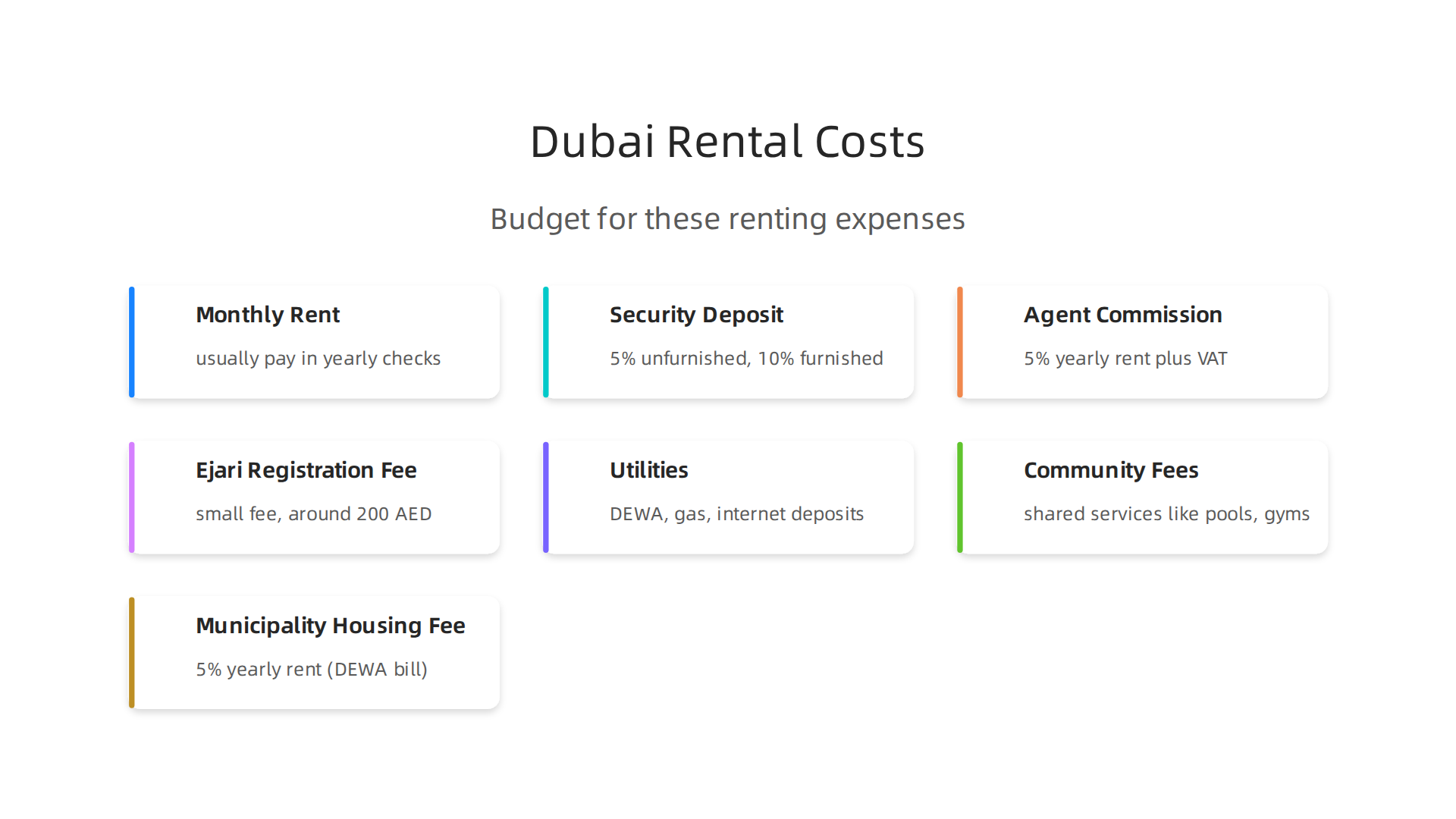
- Monthly Rent: This is the biggest cost. You usually pay this in yearly checks, often 1 to 4 checks for the whole year. Sometimes, if you pay in more checks, the total yearly rent might be a little higher.
- Security Deposit: When you rent a property in Dubai, landlords usually ask for a security deposit. This is money kept safe in case you damage the property. It is usually 5% of your yearly rent for unfurnished places and 10% for furnished ones. You should get this money back when you move out, as long as the property is in good shape. It’s helpful to know the Security Deposit Rules Dubai 2026 to protect your money.
- Agent Commission: If you find your rental through a real estate agent, you will pay them a fee. This is often 5% of the yearly rent, plus VAT (a small tax). For example, if your rent is 100,000 AED a year, you would pay the agent 5,000 AED plus VAT. You can read more about real estate agent commission in Dubai to understand this better.
- Ejari Registration Fee: This is a small fee to make your rental contract official. It costs around 200 AED.
- Utilities: You will pay for electricity and water (through DEWA), plus gas and internet. There are also deposit fees for setting up DEWA, which you get back later.
- Community Fees: If you rent a property in a place like "dubai properties 1 jbr," there might be extra community fees. These cover shared services like pools, gyms, and security. Make sure to ask if these are included in your rent or if you pay them separately.
- Municipality Housing Fee: This is a government charge that is usually 5% of your yearly rent. It gets added to your DEWA bill each month.
When you look at different places to rent in Dubai, do not just look at the rent price. Add up all these costs to see the true total cost. Also, ask about small fees like contract amendment costs if you need to make changes later. This way, you can compare offers fairly and avoid surprises.
If you are thinking about renting or buying a property in Dubai and need expert advice, connect with Ayaz Salman for a free talk.
FREE Dubai Real Estate Consultation
Knowing all the costs is a great start. Now, let’s talk about some practical tips for expats looking to rent property in Dubai. This includes how to talk about rent, understand local ways of doing things, and get your paperwork in order. These tips can make it easier to rent a property in Dubai and avoid problems.
6. Practical tips for expats: negotiations, cultural norms and paperwork
When you’re an expat, renting a property in Dubai can feel a bit different from what you’re used to. Here are some simple tips to help you get the best deal and have a smooth experience.
Simple negotiation tactics for rent and contract terms
You might be able to talk about the rent price, even if it’s listed. Here’s how:
- Ask for fewer checks: Landlords often prefer rent paid in fewer checks (like 1 or 2 instead of 4). If you offer to pay in fewer checks, you might be able to ask for a slightly lower yearly rent.
- Do your homework: Look at similar places in the same area to see what they cost. This helps you know what a fair price is. You can also learn how to negotiate rent and lease terms as a US expat in Dubai.
- Ask about extra benefits: Sometimes you can negotiate things like free maintenance for the first year, or a longer grace period before your rent increases.
- Be ready to move: If you can move in quickly, landlords might be more willing to negotiate. This is especially true if a property has been empty for a while.
Culturally appropriate communication tips for working with local agents and landlords
Building good relationships is important in Dubai.
- Be respectful and patient: Things might move slower than you expect. Show respect to your agent and landlord.
- Communicate clearly: Always make sure everyone understands the terms. It’s a good idea to get important agreements in writing.
- Verify your agent: Before you deal with any agent, make sure they are licensed. You can check their license on the Dubai Land Department’s list of licensed real estate brokers. This helps ensure you are working with someone reliable. If you need more general advice on choosing a trusted helper, you can learn How to Choose a Real Estate Brokerage in Dubai That You Can Trust.
Checklist of paperwork needed for visa-linked leases and company-sponsored tenancy
To rent a property in Dubai, you’ll need several documents. Make sure you have these ready:
- Passport copy: A clear copy of your passport.
- Residence visa copy: Your Dubai residence visa. If you’re new, sometimes an entry permit is enough to start, but you’ll need the full visa soon.
- Emirates ID: Your Emirates ID card or the receipt if you just applied for it.
- Proof of income: This could be your salary certificate, a letter from your employer, or bank statements for the last few months. This shows you can afford the rent.
- Company-sponsored leases: If your company is paying for your rent, you’ll need a No Objection Certificate (NOC) from your employer. This letter states they agree to rent the property on your behalf.
- Ejari registration: Once you sign the tenancy contract, it must be registered with Ejari. This makes your contract legal and protects your rights as a tenant. You can find more details on renting an apartment in Dubai as an expat.
Understanding these steps will help you smoothly navigate the process to rent a property in Dubai and find your perfect home. For a deeper dive into your rights and responsibilities, be sure to read about the Dubai Rental Laws 2026.
7. Moving in, maintenance, renewals and exiting a lease
After getting your paperwork ready and signing the contract, the next big steps are moving into your new home, handling any issues that come up, and knowing what to do when your lease ends.

These parts are just as important when you rent property in Dubai.
Moving Into Your New Home: First Steps
When you get the keys to your rental, it’s an exciting moment! But before you settle in, there are a few important things to do. Think of it as a checklist to make sure everything starts smoothly.
- Do a full check-in inspection: Walk through the entire property very carefully. Look for any damage like scratches on floors, marks on walls, or broken fixtures. This is very important. Take lots of photos and videos of everything, especially anything that isn’t perfect. Make sure to share these with your landlord or agent right away. This step helps protect your security deposit later on. Getting a good record of the property’s condition when you move in is a best practice for smooth rental transitions and to avoid problems later, as experts suggest for move-in/move-out inspection best practices.
- Check utilities: Make sure water, electricity, and air conditioning are all working correctly. Also, set up your internet as soon as you can.
- Get to know your building or community: Find out where the garbage goes, where parking is, and how to use any shared facilities like pools or gyms.
- Read the rental guide: Some places offer a welcome pack or guide. Read it to understand rules for your specific property, like if you live in a place similar to dubai properties 1 jbr. You can also find a helpful ultimate checklist for renting an apartment or villa in Dubai.
Handling Maintenance During Your Stay
Things can break or need fixing even in the newest places. When they do, here’s what to remember:
- Report problems quickly: Tell your landlord or agent about any issues as soon as you can. Don’t wait.
- Put it in writing: Always send maintenance requests by email or through a written system. This creates a record of when you reported the problem and what it was. This is important for both you and your landlord if there are questions later.
- Know who pays: Usually, the landlord fixes big problems like a broken AC unit or major plumbing issues. You might be responsible for smaller repairs, like changing light bulbs. Your tenancy contract should make this clear.
Lease Renewals, Exiting, and Your Security Deposit
As your lease term comes to an end, you’ll need to decide if you want to stay or move.
- Notice periods: If you want to renew your lease or move out, you usually need to tell your landlord well in advance. This is often 60 or 90 days before your contract ends, but always check your own agreement. These periods are important as rental markets in Dubai can change, as discussed in videos like Dubai Rents Are Changing.
- Lease renewal: If you want to stay, your landlord might offer a new contract. The rent could stay the same or change. Make sure to agree on the new terms in writing.
- Moving out inspection: Before you leave, your landlord will do another inspection. They will compare the property’s condition to how it was when you moved in. This is where your photos and videos from the move-in inspection really help you.
- Security deposit refund: After you move out, your landlord should return your security deposit. They might take money out of it for any damage you caused beyond normal wear and tear. This is why good documentation is so key. Dubai has specific rules about security deposits, and it’s good to know your rights as a tenant, especially regarding Security Deposit Rules Dubai 2026. Experts also share move-out inspection tips to help protect your deposit.
Making sure you handle these steps correctly will help you have a smooth experience when you rent a property in Dubai, from the day you move in until you move out. For more tips on managing your tenancy, read about The Smart Way To Secure A Property Dubai Rent In 2026.
Summary
This guide explains how to rent property in Dubai in 2026, covering the market outlook, where to find listings, and how to choose and verify a trustworthy broker. It walks you through the tenancy contract essentials — lease term, rent review, deposits, maintenance responsibilities — and explains why Ejari registration matters for legal protection. You’ll learn the real costs to budget for (rent, security deposit, agent commission, utilities and fees), practical negotiation and cultural tips for expats, and steps to handle move-in inspections, maintenance and lease exit. The article highlights common scams to avoid and documents you must prepare, so you can rent confidently whether you’re an expat, investor or landlord. By following the steps here you’ll be able to find suitable properties, negotiate fair terms, register your lease properly, and protect your deposit and rights throughout the tenancy.